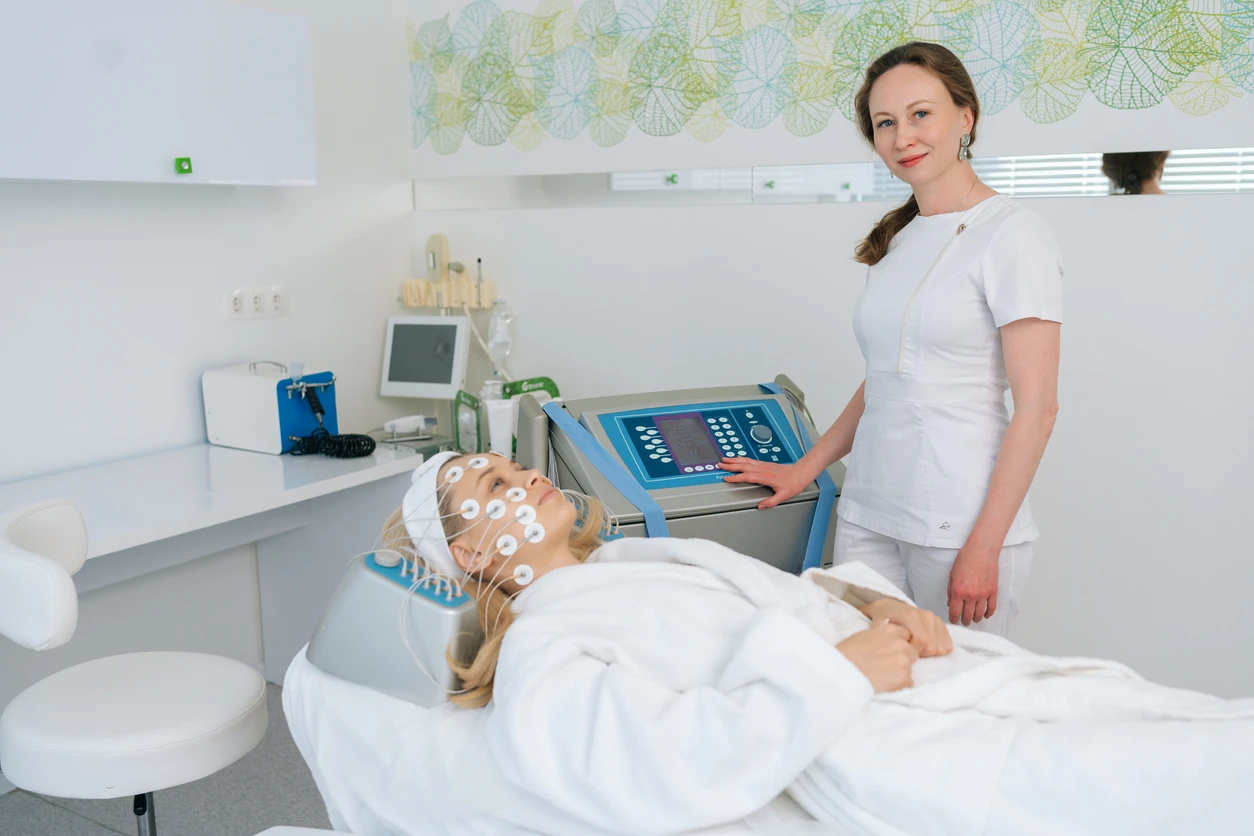
The No-Downtime Face Lift? Why Sofwave Is Getting Attention in NYC
New York has never been a particularly convenient place to disappear for two weeks after a cosmetic procedure. The workday, dinners, meetings, commuting and everything else that goes on in a week, many patients seek aesthetic treatments that can fit in with one-off tasks instead of interrupting them. And that has led to a surge of interest in non-invasive procedures that can improve the skin without surgery. Sofwave uses ultrasound energy to promote collagen production and resolve issues such as fine lines, wrinkles and mild skin laxity. Sofwave NYC treatments aren’t a dramatic overnight transformation. It is the chance of a gradual tightening of the skin without incisions and long recovery times for surgery.
Sofwave Does Not Change Your Face Overnight.
The best way to understand Sofwave is to start with what it doesn’t do. Sofwave is not a dermal filler, and it does not physically create volume under the skin; it also is not a surgical facelift that removes or repositions tissue.
Instead, ultrasound energy is delivered at a given depth within the skin, which heats the target tissue and stimulates collagen and elastin production.
That distinction matters because results emerge in a different manner. A filler patient may notice additional volume almost immediately. Someone receiving Sofwave is waiting for a biological process to take place inside the skin. Collagen remodeling happens gradually, and improvement can take place after the appointment.
Why Collagen Matters So Much.
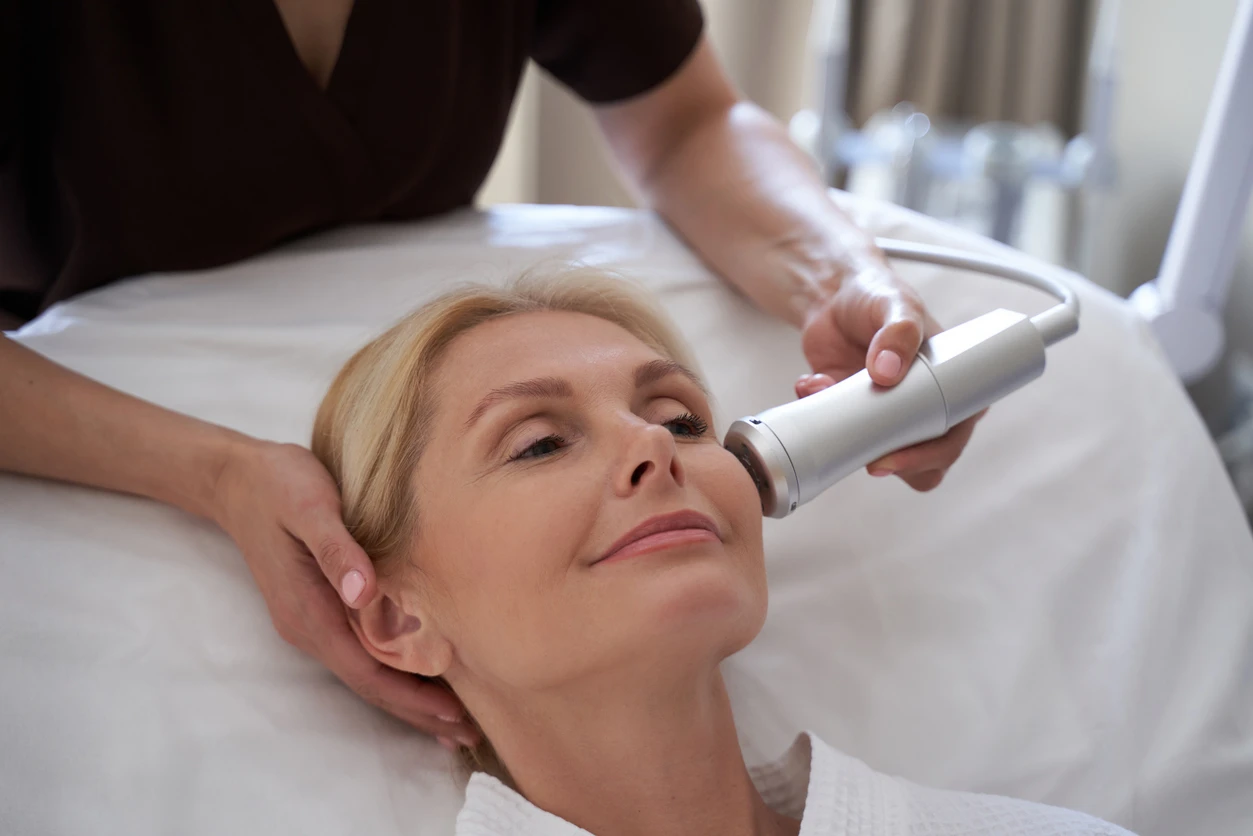
Collagen is one of the proteins that forms the structure and supports the skin. As the skin ages, the amount and organization of collagen can also change. It can result in fine lines, wrinkles and skin that doesn’t seem to be as firm as it used to be.
Sofwave works as a way to stimulate the body’s own regeneration rather than to put a substance under the skin. Collagen stimulation can be another type of treatment for patients who are starting to see changes but are not looking for surgery.
It is important to have realistic expectations. Stimulating collagen can’t be a substitute for surgical lifting, particularly in cases of skin laxity.
The NYC Appeal: Treatment Without Disappearing.
Downtime is one of the main considerations when choosing a cosmetic treatment. The person who is comfortable with having a procedure may not want coworkers, clients or friends to know. A week of obvious peeling, bruising or swelling can be difficult to manage.
Sofwave has minimal downtime. Patients can often resume normal activities after treatment, but some redness, swelling, tenderness or warmth can result.
That can be very convenient for a busy New Yorker, which makes the scheduling process much easier. It can be arranged for a visit to fit into a regular week without the patient having to build a recovery process around it.
What Can Sofwave Treat?
Sofwave is commonly associated with facial rejuvenation, but there are several applications. It can be used to smooth out facial fine lines and wrinkles and to treat skin laxity.
FDA-cleared indications include lifting the eyebrow and treating lax tissue below the chin and neck. The technology has also been approved for the upper arms, acne scars and cellulite in the short term.
On the face, patients will be more interested in treatment when they start to notice little changes but not massive sagging. The jawline may no longer appear so sharp in photographs. Fine lines may be more visible. The skin below the chin can appear a bit looser, or the brow won’t seem to be quite as lifted.
These are the kinds of changes that might push someone to seek non-surgical skin tightening treatments.
What Does Sofwave Feel Like?
The idea of ultrasound energy heating tissue can understandably make patients wonder whether Sofwave hurts.
Treatment experiences with Sofwave vary. Prior to the application of Sofwave, a topical numbing treatment may be used, depending on the provider and treatment plan. Also, Sofwave includes cooling to protect the skin’s surface.
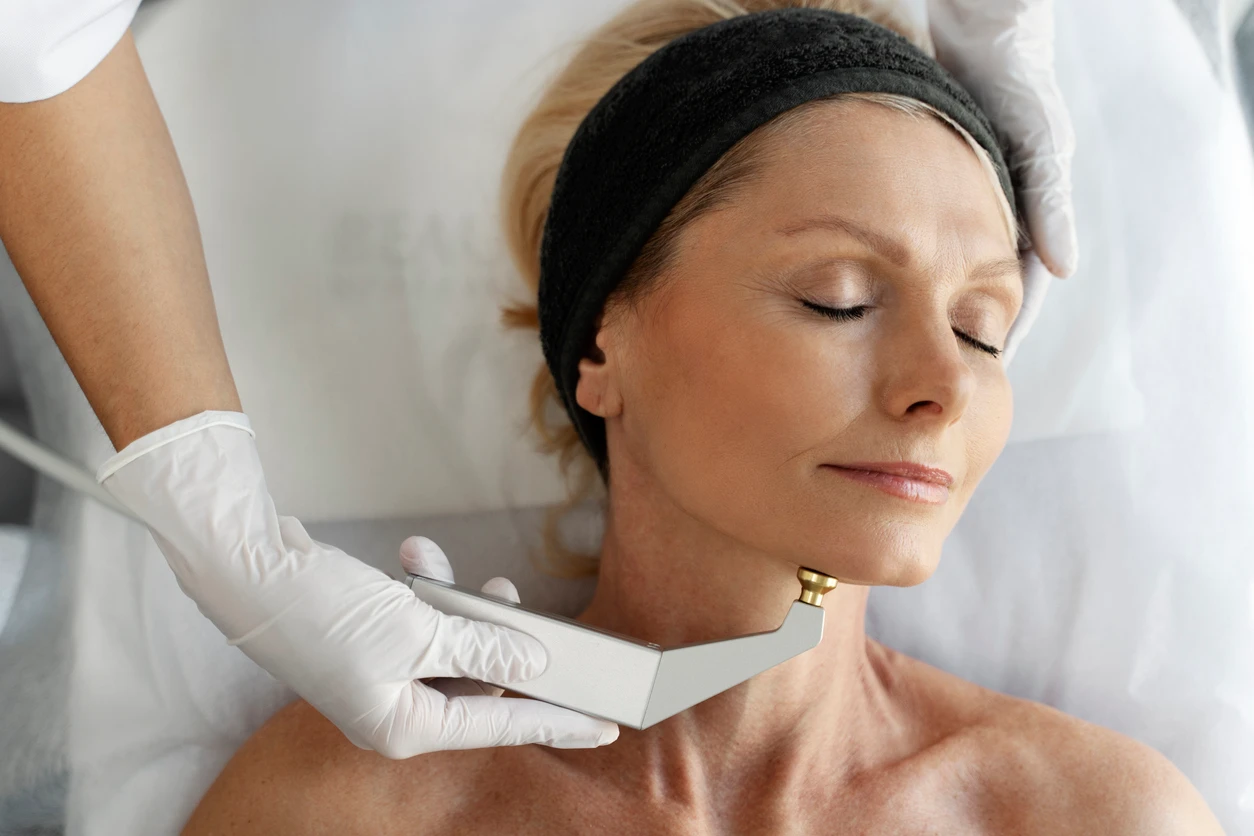
During treatment, patients may feel warmth or brief periods of discomfort as the energy is delivered. The provider moves the handpiece through the treatment area in the manner set out.
The time of treatment depends on the areas being addressed, but a facial appointment can be completed relatively quickly compared with surgery and postoperative monitoring.
Sofwave Versus Fillers: Which Problem Are You Treating?
A common mistake in aesthetic medicine is to compare treatments that are designed to accomplish different things.
Dermal fillers primarily address volume. Sofwave is intended to stimulate collagen and improve skin firmness.
Imagine two patients who are both unhappy with the lower face. One has lost facial volume that makes certain areas appear hollow. The other has retained facial volume but is beginning to notice mild laxity around the jawline.
Those patients may not benefit from the same treatment.
That is why the question should not simply be whether Sofwave or filler is “better.” The more useful question is what anatomical change is responsible for the concern.
Can Sofwave Replace a Facelift?
Calling any non-invasive procedure a replacement for a facelift can create unrealistic expectations. Facelift surgery can address more substantial tissue laxity by repositioning and removing tissue. Sofwave cannot accomplish the same degree of physical change without surgery.
Instead, Sofwave may be more relevant to patients with mild to moderate laxity who want a non-invasive option. Someone with more advanced signs of aging may receive a different recommendation after being evaluated.
A consultation is particularly important because patients sometimes focus on a treatment they have heard about before determining whether that procedure actually matches the problem they want to correct.
The Results Are Supposed to Sneak Up on You.
Sofwave results are not necessarily about waking up the next morning and looking dramatically different. Because collagen production and remodeling take time, changes can emerge during the weeks and months following treatment.
Some patients may notice improvements earlier, while more visible changes may take several months.
That gradual development can be attractive to patients who want cosmetic improvements that do not announce themselves. Instead of an abrupt change in facial shape or volume, the goal is improvement in firmness and skin quality that develops progressively.
Individual outcomes will vary according to factors such as age, skin condition, treatment area and degree of laxity.
Choosing Sofwave in NYC.
Searching for Sofwave NYC treatment should involve more than finding the nearest practice with the device. The person evaluating and treating the patient matters.
Patients should ask about the provider’s training and experience, what areas they recommend treating and what degree of improvement is realistic. Before-and-after photographs may also help patients understand the type of change a practice commonly achieves.
A good consultation should also leave room for the possibility that Sofwave is not the most appropriate treatment. Depending on the concern, another procedure or a combination of treatments may make more sense.
Conclusion
Sofwave has attracted attention in NYC because it fits a particular kind of aesthetic goal: improving early skin laxity and visible signs of aging without surgery or substantial downtime. The treatment is based on ultrasound energy to stimulate collagen rather than volume or surgery to move tissue, so the effects play out slowly and not instantly. For patients looking for a treatment to fit into a busy New York City schedule, Sofwave NYC may be an option to consult with an experienced provider. What’s most important is to know whether the changes Sofwave is intended to address are the same changes a patient sees when they look into the mirror.