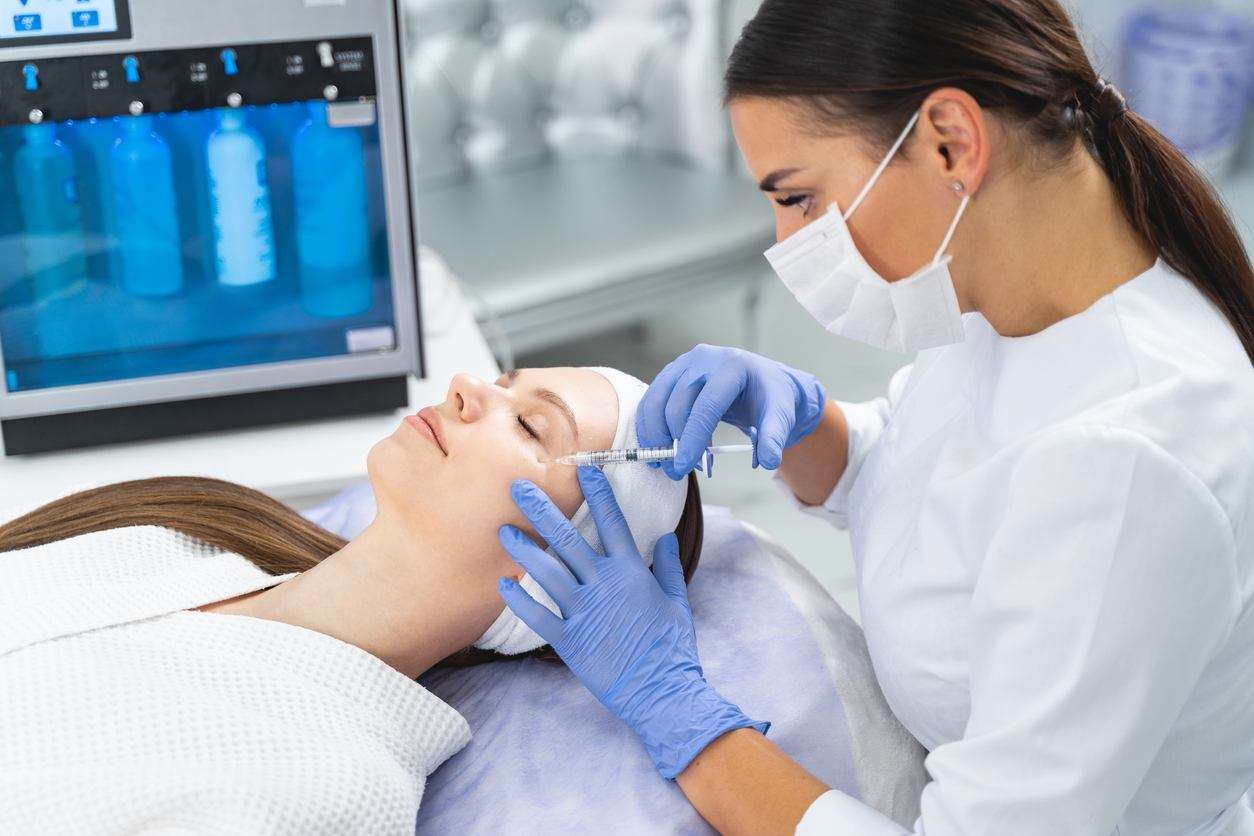
Things to Ask Your Injector Before You Get Botox or Fillers
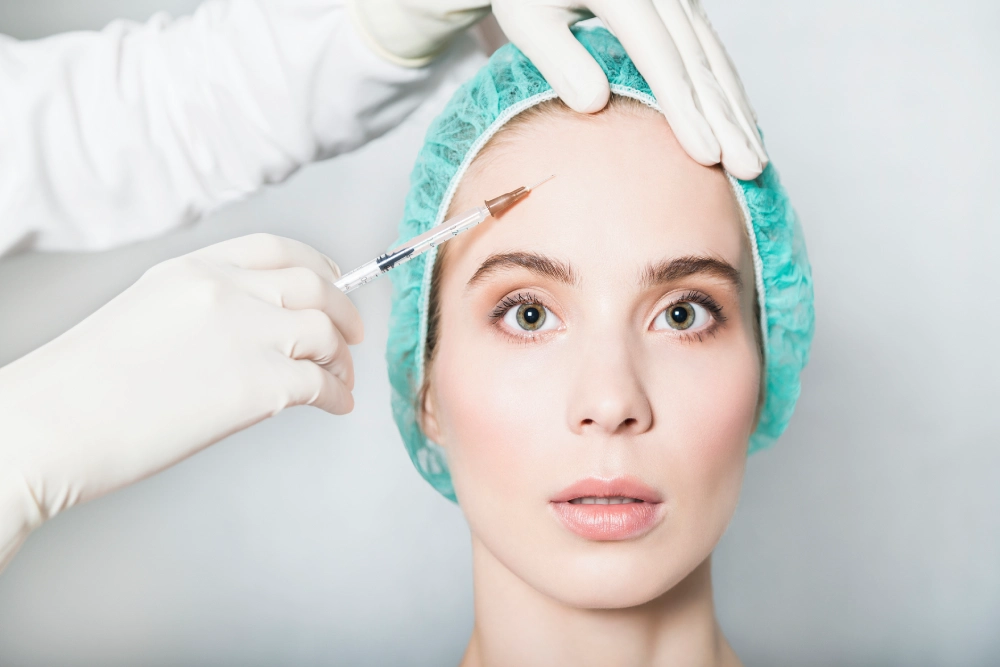
Cosmetic injectables like Botox and dermal fillers are being used at an increasing rate because they provide visible facial rejuvenation without surgery or downtime. And all of these treatments are common, but many patients don’t value knowing how to choose an injector. When determining whether your results are of quality, often it comes down not so much to the particular product but to how good it is done by any med spa Upper East Side professional performing it—who has experience, judgment and talent to offer all the necessary expertise when necessary. Botox and fillers might seem straightforward on the internet, but they aren’t; these are still medical procedures which involve training, precision and intimate knowledge of facial anatomy. If the consultation asks the right questions, then it builds your confidence to avoid mistakes and is more likely that your findings also look very natural.
The Importance of Choosing the Right Injector
A competent injector does more than simply inject shots into the face. He/she inspects the face’s balance and muscle movement, the quality of the skin, and overall anatomy before putting together a treatment package. Every face ages differently than others do, so treatments must never be one-size-fits-all. Choosing an inexperienced provider increases your risk of inconsistent results, overdosing on filler, drooping, asymmetry or complications that can take months to resolve. Patients are often extreme with pricing or the latest social media trend but when it comes to cosmetic injectors experience and safety must take precedence. Consultation is one of the best chances to gauge whether a provider truly knows what he or she is talking about, is willing to talk about it and cares about patient care as opposed to simply selling treatments.
What Does Your Experience Tell You About You?
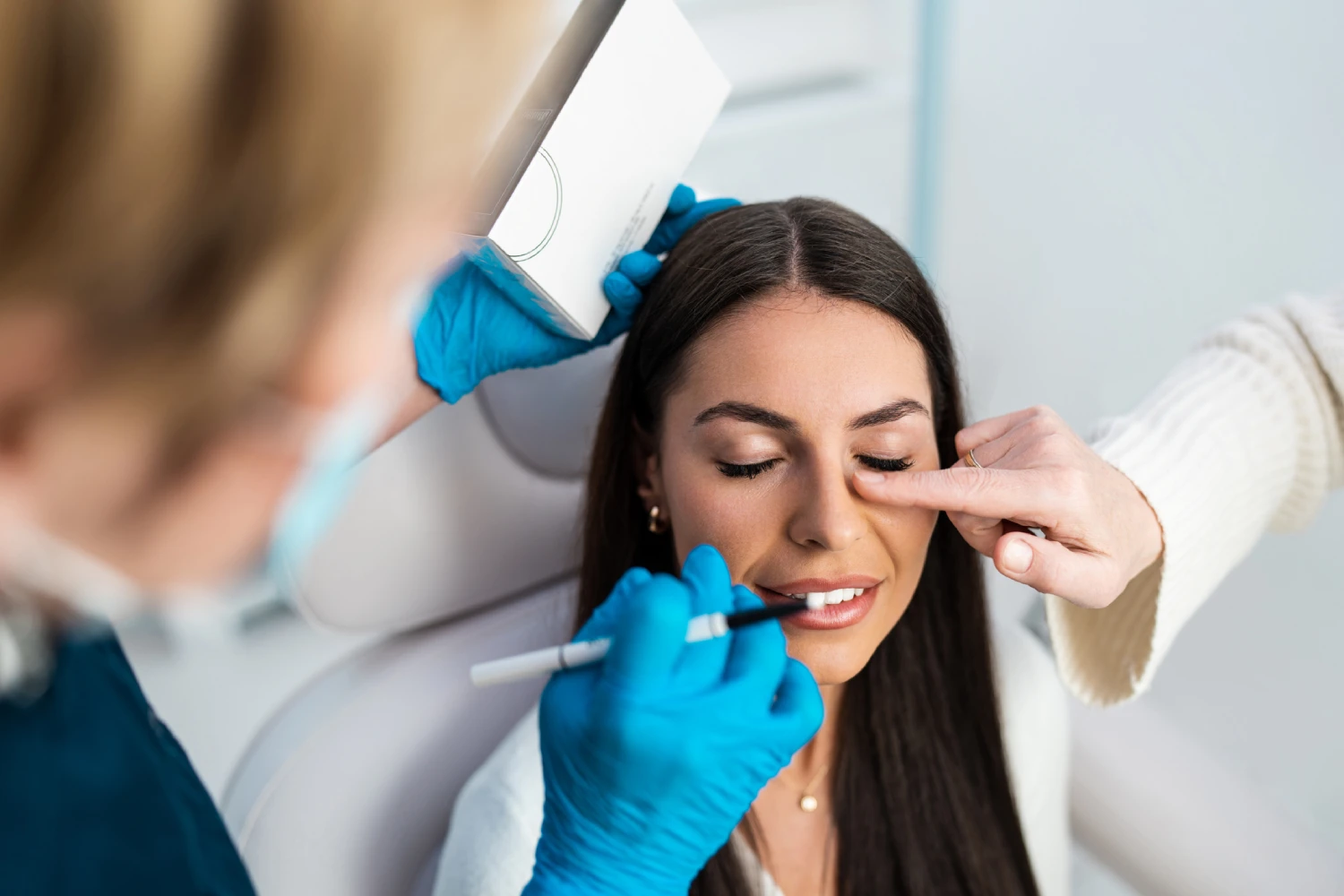
One of the vital questions to ask any injector is their educational background and experience with cosmetic injectables. Patients should know who is doing the procedure, how long they have been practicing and how often they do Botox Upper East Side or filler procedures. An injector with years of experience should be able to comfortably discuss his or her medical background, certifications, and cosmetic experience. Injectable treatment providers tend to obtain greater insight into facial anatomy, advanced techniques, and complication prevention. And, treatment must also take place in a medical context (a medical setting, and not a non-medical environment) and in a professional setting. Cosmetic injections are specific and you can’t overlook safety protocols. An authoritative injector is open to questions and should explain the strategy without rushing out and running a consultation.
What Realistically Possible Outcomes Do I Have to Expect?
Instead, a reliable injector is concerned what realistic, natural-looking results they can achieve instead of an allusion to unrealistic goals. Patients should also ask during the consultation to find out a degree of positive improvement they can wait for, the length of time the effects will continue, and whether the treatment design is intended to make facial expression appear natural. The best Botox and filler treatments are typically subtle. Botox ought to soften wrinkles but to allow their movements and expression, while fillers ought to fill the gaps without filling an already sculpted feature with mass. Skilled injectors would usually work to harmonize a facial area on the whole, rather than treating distinct wrinkles or features in isolation. Patients will also question about the number of units or syringes that will be required to achieve their goals. Understanding the desired outcome provides a good framework for expectations and decreases disappointment after treatment. From a more seasoned injector, you’ll often hear how cosmetic restoration isn’t about altering the face entirely, and is instead about making you look fresh and balanced enough to allow you to seem more natural.
What Are the Risks and Side Effects?
Botox and fillers are standard cosmetic procedures but patients should never take them for granted as though a 100% risk free tool.
A proper injector would start treatment by being upfront with the patient about side effects, complications, or safety concerns. Common after injections include redness, bruising, swelling, tenderness, and mild discomfort that typically resolves in days. But the problems can be worse still if injected inappropriately or if management is carried out by an inexperienced provider. How complications are treated, and which symptoms are of interest to medical professionals after treatment, that the patient should ask. An injector skilled is likely to articulate the most common adverse reactions and infrequent complications truthfully and professionally. Transparency is central to professionalism and patient-centered health care. Providers who avoid discussing risks or who ignore patient concerns may not properly prioritize safety.
Which product recommend and why?
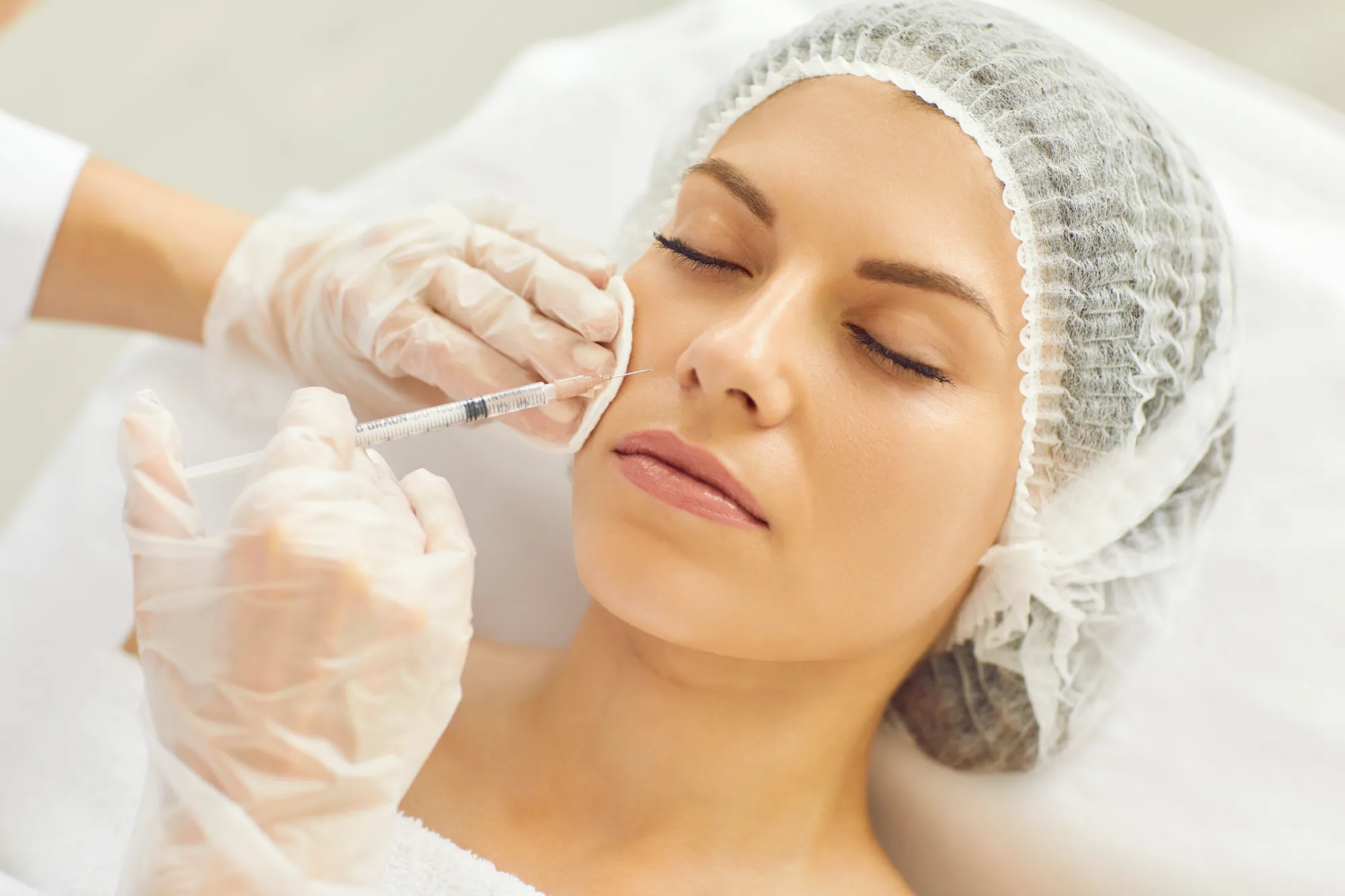
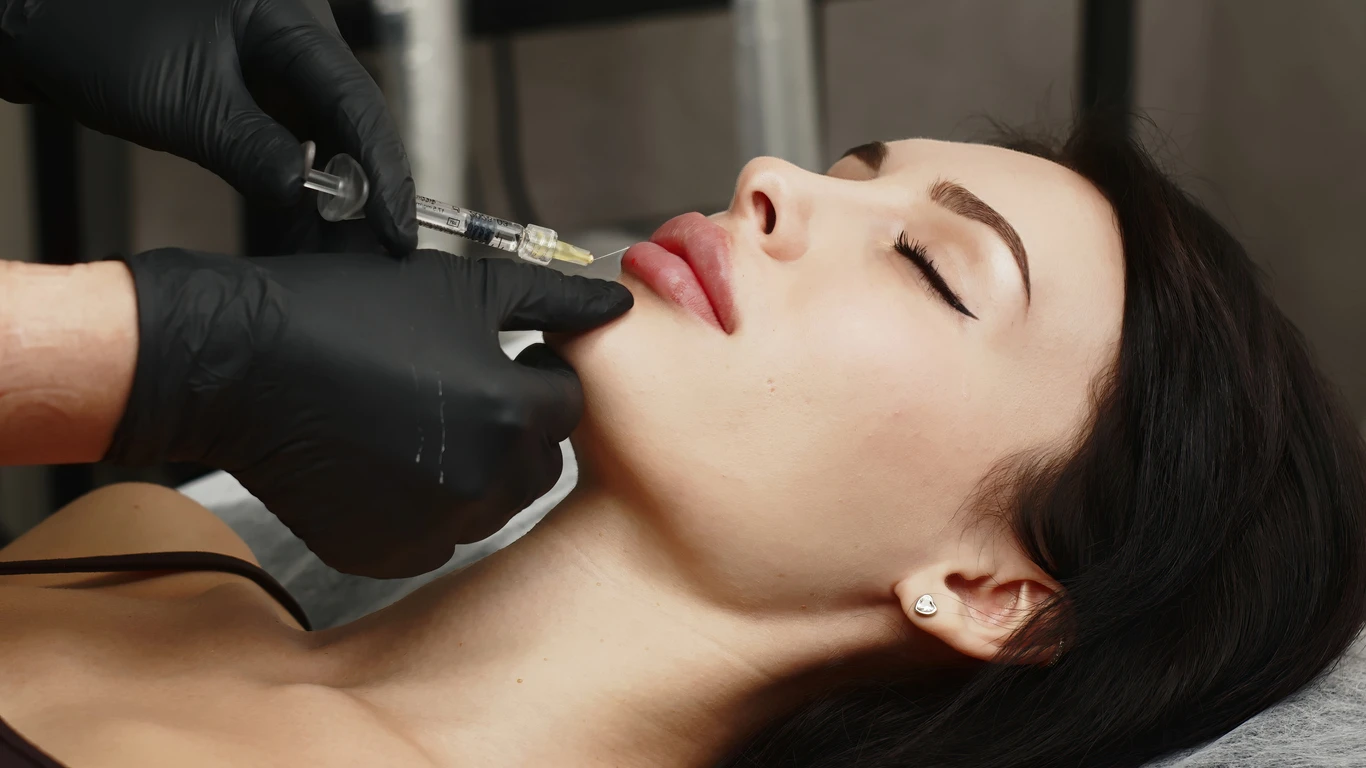
Not every injectable product is created equal. Neurotoxins and fillers can be utilized for distinct areas, facial structures, or cosmetic aims. The trained injector will not just give everyone that same dose of medicine, but choose out products meticulously, depending on the anatomy of the patient and the desired outcome. Patients should inquire which particular product is recommended, why it is appropriate for their goals, if it is FDA-approved, and how long their results will last. Understanding why something has been chosen can allow patients to feel informed and confident about continuing treatment. Some fillers, for instance, are personalized for cheeks and facial contouring, while others are better suited for lips and fine lines around the mouth. In the same way, some Upper East Side Botox replacements might arrive faster (or last more prolonged) than others, depending on the patient. Personalized care can be a sign that an injector is thinking about facial anatomy — not a plan for generic treatment.
What Should I Do Before / After Treatment?
Preparation and after care are critical to the safety in these procedures as well as their beauty impact. Patients should ask which activities, medications or supplements should be avoided before treatment to prevent swelling and bruising. Injectors may suggest staying away from vigorous exercise for a short time after treatment, not applying pressure to the sites being treated, and following instructions for post treatment care. Patients should want to know when they’d expect results and how often maintenance visits will be required. Great injectors provide very detailed, high-quality aftercare advice, as they feel that maximum healing is what leads to the best outcomes. Effective communication during and after a treatment is typically indicative of the provider caring about the care and safety of the patients’ long-term health. Never should a consultation feel rushed or leave a patient to wonder what to expect after treatment.
Signs to Watch Out For During a Consultation
The consultation says a lot about the injector’s knowledge and approach to caring for patients. Such are red flags that the provider may not be the correct option for cosmetic treatment. These include, but are not limited to, extremely low-cost pricing, false promises, unrealistic assurances that the patient should invest in unnecessary procedures, ambiguous qualifications and no communication. Patients might be wary if the injector doesn’t spend a lot of time explaining risks of a particular procedure, the anatomy of the face or what’s realistic to expect, for example. In an established injector’s profession, the focus has transitioned from hard-and-fast sales tactics to education, transparency, and individualized treatment planning. Cosmetic treatments should be more of a partnership, no hurry, no sale.
Consult with an Expert Injector
When done by a well-trained professional, Upper East Side Botox and dermal fillers will generate stunning, natural-looking rejuvenation. When you ask the right questions before treatment, you are guiding the patient to make good decisions, minimize the risk of getting it wrong and make sure they know they are getting results that will build their confidence without appearing overdone. Consult an injectable expert, whenever you can, even if you don’t want to use Botox or fillers. Your facial anatomy is assessed by an expert provider, who talks with you about what you want, answers any questions you may have and works towards creating your treatment plan while working with you to make sure you look refreshed without losing your natural facial expression and balance.